 - v2.jpg)
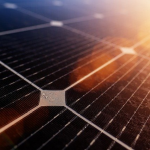
Powering tomorrow: Discover fuel cell and green energy
Step into the future of green energy with chemical engineers from the School of Chemistry and Chemical Engineering. In this hands-on activity, you will explore how renewable energy technologies can work together to create sustainable power systems.
You will learn about energy generation from solar power, wind turbines, and kinetic energy, and see how these sources can be integrated with advanced fuel cell technologies and supercapacitors. Through interactive experiments, you will learn how energy is generated, stored, and converted into usable power.
This activity gives you a practical introduction to clean energy technologies that are shaping sustainable transportation, low-carbon energy systems, and climate change solutions. Designed to be engaging and accessible, it combines real engineering concepts with exciting demonstrations to help you understand how today's research is powering tomorrow's world, and how you could be part of it.
You will learn about energy generation from solar power, wind turbines, and kinetic energy, and see how these sources can be integrated with advanced fuel cell technologies and supercapacitors. Through interactive experiments, you will learn how energy is generated, stored, and converted into usable power.
This activity gives you a practical introduction to clean energy technologies that are shaping sustainable transportation, low-carbon energy systems, and climate change solutions. Designed to be engaging and accessible, it combines real engineering concepts with exciting demonstrations to help you understand how today's research is powering tomorrow's world, and how you could be part of it.
You may also like

Brownsea Island Seagrass Watch
Join researcher from the School of Ocean and Earth Science at the University of Southampton to find out why seagrass is such an important marine habitat, especially for seahorses! ...Read More
Boldrewood Innovation Campus

Sugar Fibre: Make your own optical fibre
Websites, videos, social media - all this data is converted to light and it travels through optical fibres. These are normally made from glass, but you can have a go making them fr ...Read More
Highfield Campus
